Georgia is a popular destination in the South Caucasus on the Black Sea coast. Travelers visit to walk through Tbilisi’s ancient streets. They relax on Batumi’s beaches. They explore mountain regions like Kazbegi, Svaneti, or Kakheti. Visitors love the scenic nature, historic churches, and hospitable feasts with home-cooked food. Our 2026 Georgia travel guide helps you choose a resort, find souvenirs, and plan your budget.
- Useful Information
- Visas and Documents
- Traveling to Georgia
- Tours to Georgia
- Prices and Currency
- Hotels in Georgia
- Interesting Facts
- Beaches and Resorts
- Mobile Networks and Internet
- Cuisine and Restaurants
- Holidays and Events
- Useful Phone Numbers
- Tips from Travelers
- FAQ

Useful Information
| Capital | Tbilisi |
| Language | Georgian; English is understood in tourist areas |
| Currency | Georgian lari (GEL, ₾), bring euros and dollars for currency exchange |
| Time difference | +2 hours in summertime, +3 hours in wintertime compare to Central European Time |
| Do you need a visa | EU, UK, USA, UAE etc. (listed below) citizens do not need a visa for stays of up to one year for tourist travel |
| Where do tourists go | Tbilisi, Batumi, Mtskheta, Borjomi, Kutaisi, Ureki, Kobuleti, Telavi, Sighnaghi, Gudauri, Bakuriani |
| Best time to visit | Best time for beach vacations: June to mid-October Best time for ski resorts: December to March Spring and autumn offer ideal conditions for walks and excursions |
| Internet and communication | Wi-Fi works in tourist areas, but the signal often stays weak. Travelers should buy a local SIM card. People most often use Facebook and WhatsApp for communication |
Visas and Documents for Travel to Georgia
Citizens of European and some other countries do not need a visa to enter Georgia. You can stay in the country for up to one year. All tourists must have medical insurance for their Georgia trip.
List of countries eligible for visa-free entry to Georgia:
| All EU member states | Dominican Republic | Panama |
| Albania | Ecuador | Qatar |
| Andorra | El Salvador | Republic of Korea |
| Antigua and Barbuda | French Polynesia and New Caledonia | Republic of Mauritius |
| Argentina | Honduras | Russia |
| Armenia | Iceland | Saint Vincent and the Grenadines |
| Aruba and the Netherlands Antilles | Israel | San Marino |
| Australia | Japan | Saudi Arabia |
| Azerbaijan | Jordan | Serbia |
| Bahrain | Kazakhstan | Seychelles |
| Barbados | Kuwait | Singapore |
| Belarus | Kyrgyzstan | South Africa |
| Belize | Lebanon | Tajikistan |
| Bosnia and Herzegovina | Liechtenstein | Thailand |
| Botswana | Malaysia | Turkey |
| Brazil | Mexico | Turkmenistan |
| Brunei Darussalam | Moldova | Ukraine |
| Canada | Monaco | United Arab Emirates |
| Colombia | New Zealand | United States of America |
| Commonwealth of Bahamas | Norway | Uzbekistan |
| Costa Rica | Oman | Vatican |
Traveling to Georgia
Direct flights connect Georgia with many European cities, via Tbilisi, Batumi and Kutaisi (mostly for low-cost airlines). Here is a list of the countries with direct flights to Georgia.
Flights to Tbilisi
- Armenia (Yerevan)
- Austria (Vienna)
- Azerbaijan (Baku)
- Bahrain (Bahrain Island)
- Belarus (Minsk)
- China (Shanghai, Urumqi)
- Cyprus (Larnaca)
- Denmark (Copenhagen)
- France (Nice, Paris, Paris Orly)
- Germany (Berlin, Cologne-Bonn, Frankfurt, Munich, Stuttgart)
- Greece (Athens)
- India (Mumbai, New Delhi)
- Israel (Tel Aviv)
- Italy (Milan Bergamo, Milan Malpensa, Rome Fiumicino)
- Jordan (Amman)
- Kazakhstan (Aktau, Almaty, Astana, Atyrau, Shymkent)
- Kuwait (Kuwait City)
- Latvia (Riga)
- Moldova (Chișinău)
- Netherlands (Amsterdam)
- Poland (Warsaw)
- Qatar (Doha)
- Romania (Bucharest)
- Russia (12 cities)
- Saudi Arabia (Dammam, Jeddah, Riyadh)
- Serbia (Belgrade)
- Switzerland (Geneva, Zürich)
- Turkey (Ankara, Antalya, Istanbul New, Istanbul Sabiha Gökçen)
- UAE (Abu Dhabi, Dubai, Dubai Sharjah)
- United Kingdom (London Heathrow, London Luton)
- Uzbekistan (Tashkent)
Flights to Kutaisi
- Belarus (Minsk)
- Belgium (Brussels Charleroi)
- Cyprus (Larnaca)
- Czechia (Prague)
- France (Lyon, Paris Beauvais)
- Germany (Berlin, Dortmund, Frankfurt Hahn, Hamburg, Memmingen)
- Greece (Athens, Thessaloniki)
- Hungary (Budapest)
- Italy (Milan Malpensa, Rome Fiumicino, Venice Marco Polo)
- Kazakhstan (Aktau, Almaty, Astana, Atyrau)
- Lithuania (Vilnius)
- Poland (Katowice, Poznań, Warsaw, Wrocław)
- Slovakia (Bratislava)
- Spain (Barcelona, Madrid)
- Turkey (Istanbul Sabiha Gökçen)
Flights to Batumi
- Armenia (Yerevan)
- Azerbaijan (Baku)
- Belarus (Minsk)
- Israel (Tel Aviv)
- Kazakhstan (Aktau, Almaty, Astana)
- Kuwait (Kuwait City)
- Latvia (Riga)
- Russia (16 cities)
- Saudi Arabia (Jeddah, Riyadh)
- Turkey (Istanbul, Istanbul Sabiha Gökçen)
- UAE (Dubai)
- Uzbekistan (Tashkent)
Tours to Georgia
Sightseeing tours are popular in Georgia, and cultural activities are often combined with a seaside vacation. Wellness tourism is widespread, and the country has many health resorts that offer treatments using mineral waters, therapeutic mud, and physical therapy. On active tours, in addition to skiing and snowboarding, travelers can go horseback riding or rafting down mountain rivers.
Currency and Prices in Georgia
The national currency of Georgia is the Georgian lari (GEL). Travelers usually bring cash in U.S. dollars or euros and exchange it after arrival. It is better to carry newer U.S. dollar bills, as some exchange offices may refuse older banknotes. Banks and city exchange offices generally offer better rates than airport counters. ATMs are widely available in cities and tourist areas.
Hotels in Georgia
The most popular type of accommodation in Georgia is guesthouses. The owners often live right next door to the tourists, and evenings turn into lively family gatherings. Locals may even act as guides: sharing interesting facts and taking you to beautiful places.
In the summer, travelers recommend checking whether the room has air conditioning. Before traveling during the cold season, it’s important to check how the hotel’s heating system works—not all places in Georgia have central heating, and in some areas, the water is often shut off. Also, carefully review the location of your chosen accommodation—you’ll get tired of climbing stairs to a hotel in the foothills.
Interesting Facts About Life in Georgia
About the Country
Georgia is located in the South Caucasus, along the eastern coast of the Black Sea. It borders Russia, Azerbaijan, Armenia, and Turkey. The capital city is Tbilisi, which is also the country’s largest city, with a population of around 1.2 million people.
Georgia is a unitary parliamentary republic. Orthodox Christianity is the country’s main religion.
Locals call their country Sakartvelo, a name derived from the historic region of Kartli, where the Georgian state originally formed. Georgia is famous for the scenic mountains of the Greater and Lesser Caucasus, the warm Black Sea coast, traditional cuisine, and handicrafts such as weaving, pottery, blacksmithing, and woodcarving.
Climate and Weather
Georgia features several climate zones. The Black Sea coast in western Georgia — including Batumi, Kobuleti, Ureki, and Sarpi — has a humid subtropical climate with rainy winters and hot summers, when temperatures can reach 35 °C. Eastern regions such as Tbilisi, Telavi, and Sighnaghi experience a continental climate with dry summers and cooler winters. Mountain regions often receive heavy snowfall, and sudden frosts are possible.
Summer in Georgia is better suited for beach vacations than long sightseeing walks because of the intense heat. Spring weather can be unstable, so checking the forecast before traveling is important. Autumn is warm and dry, making it one of the best seasons for travel. During this period, local markets fill with watermelons, melons, peaches, plums, pomegranates, and persimmons.

Beaches and Resorts
Batumi
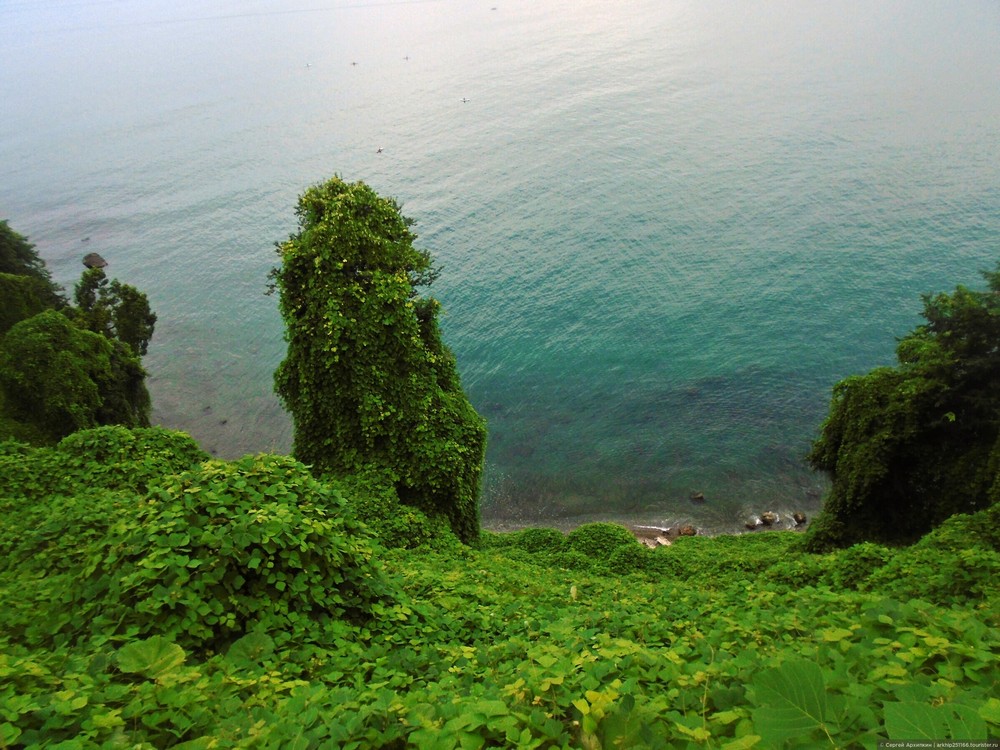
Batumi is Georgia’s main seaside resort and the capital of the Adjara region. The best time to visit is from June to September. The city is famous for Batumi Boulevard, a waterfront promenade stretching about 7 kilometers with palm trees, bike lanes, cafes, and observation decks. The local beach is pebbly, with a gentle entrance into the sea and good tourist infrastructure.
Kobuleti
Kobuleti is a quieter resort located 25 km from Batumi. It is known for its long pebble beach surrounded by pine groves. Nearby are Mtirala National Park and Kintrishi National Park, where visitors can explore mountain rivers, forests, waterfalls, and canyons. The resort is ideal for travelers looking for a peaceful atmosphere.
Ureki
Ureki is a small Black Sea resort famous for its black magnetic sand beaches. The sand contains magnetite and is believed to support musculoskeletal and cardiovascular health. Families and wellness travelers often choose this destination. The best season for visiting lasts from June through early September.
Borjomi
Borjomi is a mountain resort best known for its mineral water, Borjomi, which has been produced here for more than 150 years. Visitors often head to Borjomi Central Park, where they can taste mineral water directly from the spring. The resort also offers wellness centers specializing in mineral-water treatments, mud therapy, and physiotherapy.
Gudauri
Gudauri is Georgia’s most famous ski resort. It lies along the Georgian Military Highway, around 120 km from Tbilisi, at an altitude of approximately 2,200 meters above sea level. The resort offers slopes for different skill levels, freeride zones, spa centers, skating rinks, and restaurants. The ski season usually lasts from December to May.

Mobile Networks and Internet
Georgia’s main mobile operators are Silknet, Magticom, and Cellfie. Travelers can purchase SIM cards at airport kiosks or official operator stores, where prices are usually better. Many tourists also activate an eSIM before arrival. Wi-Fi is available in hotels, restaurants, and public spaces, although the signal quality may vary.
Cuisine, Restaurants, Cafés
Georgian cuisine is built around hearty soups and stews prepared with meat, vegetables, herbs, and spices. Popular dishes include Kharcho, Chashushuli, Chakhokhbili, Ojakhuri, and Chanakhi. Traditional appetizers also play an important role in local cuisine. Among the most popular are Phali, made from vegetables, herbs, and walnuts; Lobio; and Ajapsandali, a cold eggplant and pepper appetizer. Meals are often served with shoti bread, homemade cheeses, and sauces such as tkemali, satsiveli, adjika, and bazhe.
Each region of Georgia prepares its own version of Khachapuri, making this dish one of the country’s main culinary symbols. The best-known varieties include Adjarian khachapuri, shaped like a boat and topped with an egg; Imeretian khachapuri, which is round and filled with cheese; Megrelian khachapuri, covered with extra cheese on top; achma, a layered cheese pastry; penovani, made with puff pastry; and kubdari, filled with meat.
Georgia is also famous for its ancient winemaking traditions and rich red wines. The most popular varieties include Saperavi, the country’s best-known grape, and Kindzmarauli, a semi-sweet red wine with berry flavors. Another traditional drink is Chacha, a strong spirit made from grapes.
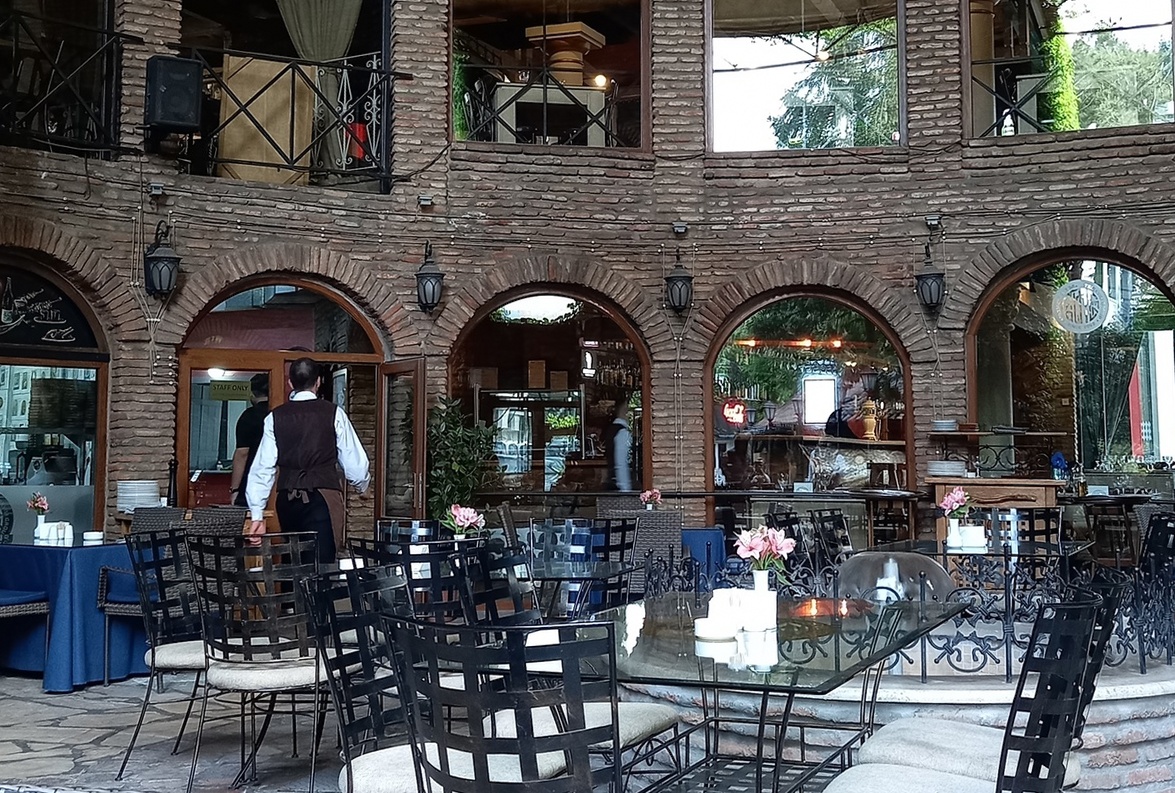
Modern Georgian restaurants often combine traditional recipes with European influences. Travelers who want to experience authentic homemade flavors usually visit small family-run cafes, bakeries, and local guesthouses.

Holidays and Events
Georgia has many national and religious holidays:
- January 1 and 2 — New Year’s Day;
- January 7 — Christmas;
- January 19 — Epiphany;
- March 3 — Mother’s Day;
- March 8 — International Women’s Day;
- April 9 — National Unity Day;
- April 10–13 — Easter weekend (Good Friday, Holy Saturday, Easter, and All Souls’ Day);
- May 9 — Victory Day;
- May 12 — Day of Remembrance of St. Andrew the First-Called (Day of Hope);
- May 17 — Day of Family Sanctity and Respect for Parents;
- May 26 — Georgia Independence Day;
- August 28 — Assumption of the Blessed Virgin Mary (Mariamoba);
- October 14 — Svetitskhovloba (Mtskhetoba);
- November 23 — St. George the Victorious Day, patron saint of the country (Giorgoba).
- On the first weekend of October, Georgians celebrate Tbilisoba—the capital’s main festival, featuring parades, concerts, dances, and fairs.
You can visit wine festivals throughout the country:
- Rtveli — a harvest festival; the date depends on when the grapes ripen. It lasts several days, with the most vibrant celebrations taking place in Kakheti.
- New Wine Festival—held on the second Saturday of May in Tbilisi’s Mtatsminda Park. You can sample new varieties from qvevri (traditional wine vessels) for free.
- TelaVino—an annual festival in Telavi featuring rare Kakhetian varieties.
Phone Numbers and Links
In an emergency, the single emergency number in Georgia is 112.
Emergency Services
| Police | 022 |
| Fire Department | 011 |
| Emergency Medical Service | 16116 |
| Short Tourist Code | 1441 |
Useful Links
- Visa-free nationalities list: georgia.travel/coming-to-georgia/georgia-travel-visa-application
- Lari to euro exchange rate: https://www.google.com/finance/quote/EUR-GEL
- Tbilisi airport real-time flights: tbilisiairport.com/en-en/flights
Tips from Travelers in Georgia
Insurance
Georgia only accepts tourists with medical insurance. The policy must provide coverage of at least $5,000 for outpatient treatment and emergency care, and $30,000 for inpatient care.
The policy must cover potential evacuation and the patient’s return to their home country. The insurance must remain valid until the end of the trip; it is best to print out the document in advance for convenience.
Safety
The main challenge for visitors is local driving culture. Drivers do not always use turn signals, may ignore pedestrian crossings, and sometimes drive quickly on mountain roads with sharp turns.
Many residents of Georgia speak Russian, which helps tourists communicate and ask for assistance if necessary. Women are generally treated respectfully, although visitors may notice increased attention from locals.
Georgia does not enforce a strict dress code, but modest clothing is recommended when visiting churches and monasteries. Travelers should also arrange mobile internet access in advance, since public Wi-Fi coverage may be unstable. It is safer to keep cash and documents in separate places while traveling.
Shopping
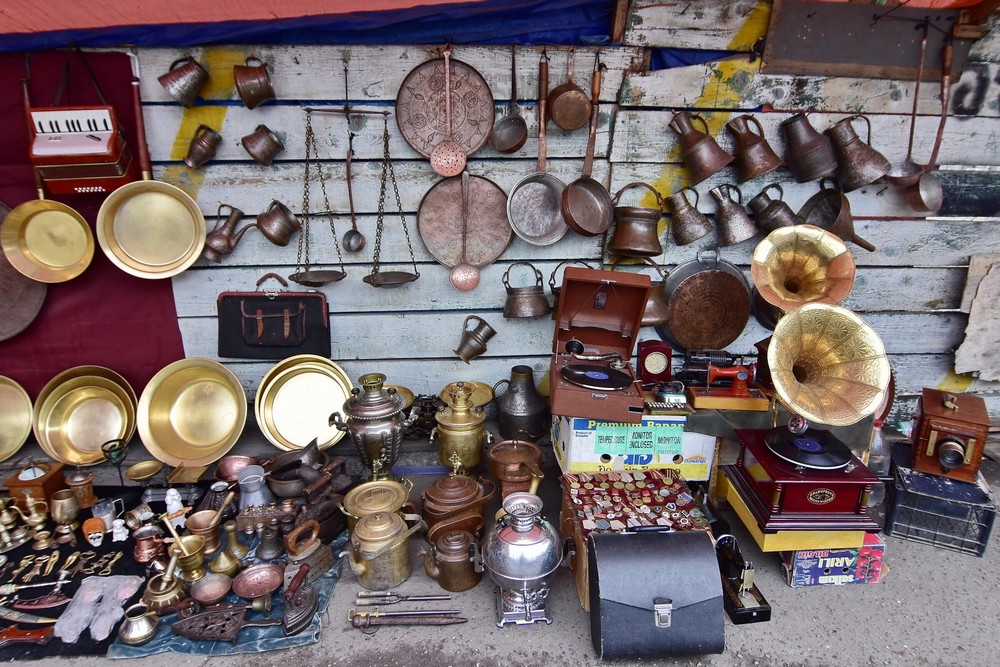
It’s best to look for local goods (fruits, vegetables, sweets, cheeses, wines, spices) at the markets. In the capital, be sure to visit the Deserters’ Market and the flea market on Sukhumi Bridge; in Batumi, check out “Parehi” and the Fish Market; and in Kutaisi, visit the Green Market and the market on Gamsakhurdia Street.
You can also purchase unique handmade items at the bazaars. The Artisan Market in Tbilisi is particularly interesting—a gathering place for talented artisans. Here you can find jewelry, carpets, scarves, clothing, and ceramics.

What You Cannot Import or Export from Georgia
You are allowed to bring in 200 cigarettes, 50 cigarillos, 50 cigars, 250 grams of tobacco, and four liters of alcohol duty-free. Vegetables, fruits, nuts, pasta, and sugar must not weigh more than 30 kilograms or cost more than 500 lari.
Upon entry and exit, you must declare cash, checks, and other securities worth more than 30,000 lari. Goods worth less than 1,000 lari do not need to be declared.
Public Transportation
Public transportation in Georgia includes buses and minibuses, which connect both cities and smaller towns. Tbilisi also has a metro system with two lines, as well as a funicular that links the city center with Mtatsminda Park.
Passengers in Tbilisi use the Metromoney card to pay for public transportation. The card allows travelers to purchase passes and make free transfers within 1.5 hours. Several people can use the same card during one trip.
Tourists usually book taxis through mobile ride-hailing apps. Car-sharing services operate in Tbilisi and Batumi, although service areas are often limited. For car rentals, travelers can use a Russian driver’s license if the holder’s name appears in Latin letters. Rental companies also require a passport, a minimum age of 21–23 years, and 1–3 years of driving experience.
Frequently Asked Questions
When is the best time to visit Georgia for a vacation?
For a beach vacation in Georgia, choose the hot summer months. In winter, ski resorts welcome tourists. Spring and fall are ideal for sightseeing and exploring the country.
How much will a vacation in Georgia cost?
For a week-long vacation for two at a five-star hotel, you should budget between 1,200 and 1,500 euros. Plus expenses for excursions, souvenirs, and transportation. It’s easy to stay within a budget of 2,000 euros per week for two.
What can you bring back from Georgia?
From Georgia, you can bring back jewelry, carpets, scarves, clothing, and handmade ceramics. You can also bring back culinary souvenirs: sweets, spices, sauces, cheeses, and wine.
What is the time difference between Europe and Georgia?
Georgia is in the UTC +4 time zone. It means plus 2 hours in summertime, and plus 3 hours in wintertime compared to Central European Time — the country does not observe daylight saving time.
Where in Georgia do many expats live?
Most expats live in Tbilisi and Batumi. In these cities, it’s easier to find multicultural shops, restaurants, and tour services.