The son of Italian designer died in Georgia

The son of renowned Italian designer and urban planner Luca Ballarini, 20-year-old Pietro Ballarini, died while freeriding in Georgia. 

Luca Ballarini and Pietro Ballarini / t.me/NGnewsgeorgia

The young man’s father announced this on Instagram. According to him, Pietro was in Georgia with friends when the “accident” occurred while they were skiing off-piste. “He died happy, doing what he loved most: skiing in the mountains. That’s the only thing that comforts me,” Balarini added. 

Luca Balarini is known as one of the leading figures in the field of visual urban branding and cultural projects in Turin, Italy. 

There have been no official comments from the Italian or Georgian authorities regarding the circumstances of Pietro Balarini’s death.

Read more about Georgian ski resorts:
New low-cost flight between Seoul and Tbilisi

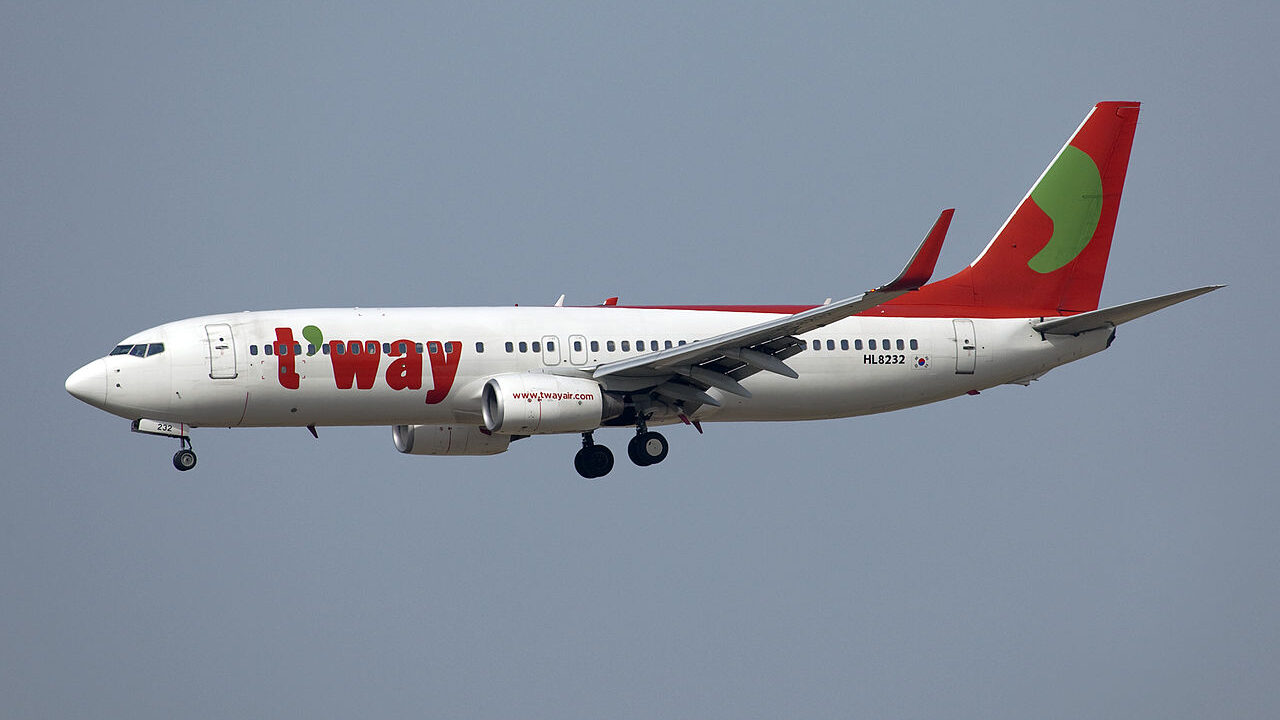
South Korea’s low-cost carrier T’way Air plans to operate direct charter flights between Seoul and Tbilisi, according to Georgia’s Civil Aviation Agency.

Maarten Visser from Capelle aan den IJssel, Nederland. HL8232 B737-800 t’ Way, CC BY-SA 2.0, link

The airline intends to run eight non-scheduled flights between April 24 and October 16, 2026, during the summer navigation season.

According to the application submitted to the agency, T’way Air will use Airbus A330 and Boeing B777 aircraft for the route. In total, eight flights are scheduled between the two capitals.

Seasonal non-scheduled flights between Georgia and the Republic of Korea also operated in 2024–2025 by Korean Air. In 2024, air traffic between the two countries carried 1,077 passengers. In 2025, that number rose to 2,233 passengers.

Georgia’s Civil Aviation Agency, part of the Ministry of Economy and Sustainable Development, has already granted the airline the necessary permit to operate the flights.

Russia plans to restore rail links with Georgia through occupied Abkhazia

Russian Deputy Prime Minister Alexei Overchuk said that authorities are working to reopen disrupted routes across the Caucasus. As part of this effort, officials are considering the restoration of rail connections between Russia and Georgia via Abkhazia.

Railroad connection between Turkey and Georgia

He did not clarify whether Moscow had informed Tbilisi about the proposal. However, he stressed that Russia expects constructive cooperation among all regional states in order to strengthen transport and logistics ties.

A railway linking Russia and Georgia through Abkhazia operated during the Soviet period. It connected Sochi and Tbilisi via Sukhumi and Poti. After the war in Abkhazia in the early 1990s, both passenger and freight traffic stopped. Since then, the line has fallen into disrepair.

In recent years, Russian officials have repeatedly mentioned plans to rebuild the railway. Meanwhile, media outlets have reported that the Georgian Dream government has held secret talks with Moscow on the issue. Prime Minister Irakli Kobakhidze has denied those claims.

At the same time, Tbilisi has consistently stated that it will only consider transport projects through the occupied territories within the framework of restoring Georgia’s territorial integrity.

Georgia will ban the sale of beverages in plastic bottles

According to Deputy Minister of Environment and Agriculture Solomon Pavliashvili, the measure will take effect next year.


However, the ban will not cover all plastic packaging. Authorities will allow the sale of oil in plastic bottles and drinking water in containers larger than 10 liters. In addition, the restriction will not apply to products intended for export, BM.ge reports.

This step forms part of a broader campaign to reduce plastic use across the country. Starting January 1, Georgia will prohibit the production of single-use plastic products for the domestic market. Manufacturers will still be able to produce plastic tableware for export.

From April 1, state institutions will no longer be allowed to purchase plastic cups, containers, or bottles with a capacity of up to 3 liters. Later, from July 1, the government will extend the ban to hotels, restaurants, and cafes.

Attack on Israeli tourists reported in Georgia

Israeli journalist Daniel Amram reported an attack on tourists from Israel in Georgia. The victims are 17-year-old teenagers.

The teenagers planned to stay in Georgia for eight days as tourists. After the incident on the evening of January 31, they decided to stop the trip. They said they did not feel safe.

According to Amram, unknown people attacked the teenagers in the evening. The attackers shouted insults, including “Free Palestine” and “Heil Hitler.” The teenagers said they traveled to Georgia for an eight-day ski holiday. After the incident on Saturday, January 31, they chose to cancel the rest of the trip because they felt unsafe.

Georgia often hosts foreign tourists, including visitors from Israel. Safety issues and hate speech can affect travel plans and public trust. Such incidents usually draw attention from the media and the public. In similar cases, tourists expect local authorities to review what happened and ensure safety for visitors.